MVP development
Launch the smallest product that proves your idea, in weeks, not months
The fastest way to know if an idea works is to put it in front of real users. We help you decide what to build first, cut everything else, and ship a working web or mobile product with payments and analytics, on code that can grow if it takes off.
- Scope cut to what matters
- Live in weeks
- Payments and analytics included
- Code that can grow with you
Fast, proven tools
 Figma
 Next.js
 React
 Flutter
 Laravel
 Django
 Supabase
 Firebase
 PostgreSQL
 Google Analytics

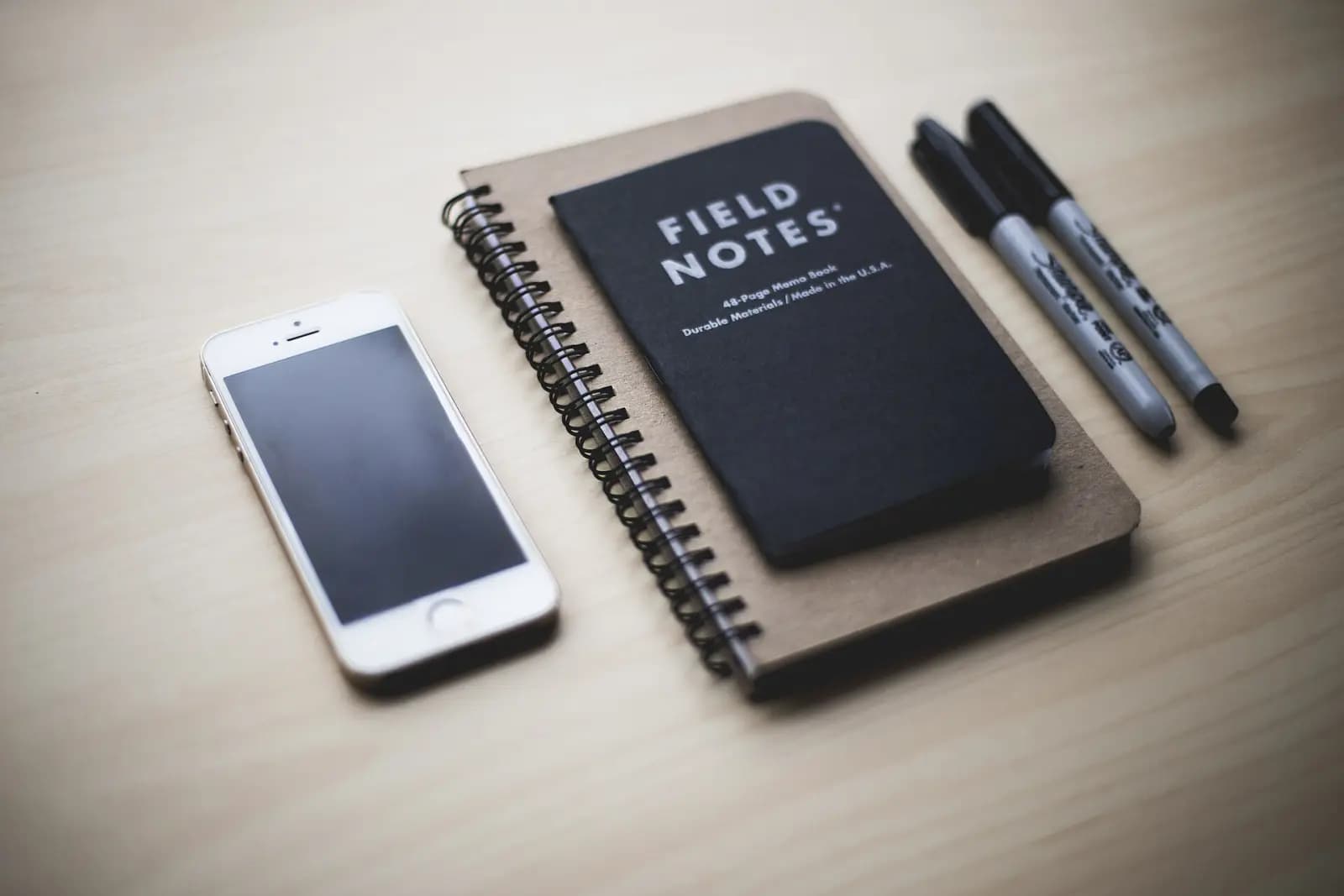
MVP development
Launch a focused first version quickly, then improve with real users.
- Based in Nairobi
- Building since 2017
- Clients in 13+ countries
Start smaller
Not every idea needs a full product first
We'll suggest the cheapest way to answer your biggest question, even if that isn't code.
Clickable prototype
Realistic screens people can tap through, with no code behind them.
Best when: You need to test the idea, pitch investors or validate the flow.
Landing page test
A page describing the product, to measure sign-ups or pre-orders.
Best when: You're not sure anyone will pay yet.
No-code or concierge MVP
Existing tools plus manual work behind the scenes.
Best when: The process is unproven and volumes are small.
- Most projects
Coded MVP
A real, working product with the core features, payments and analytics.
Best when: Demand is clear and you need a product people can use and pay for.
Scoping
The hard part is deciding what not to build
Most MVPs are late because they try to do too much. We help you cut to the core.
- One core problemFocus on the single job users need done, done well.
- Ruthless prioritisingMust-haves for launch; everything else goes on the 'later' list.
- Riskiest assumption firstBuild what tests the biggest unknown about your idea.
- Measure from day oneAnalytics and events set up to show what users actually do.
- Built-in feedbackSimple ways for early users to tell you what's missing.
- Room to growClean, tested foundations, so success doesn't mean a rewrite.
A typical MVP includes
Enough to launch and learn
- Sign-up and login
- The one core workflow
- Payments (M-PESA or cards)
- Basic admin dashboard
- Email or SMS notifications
- Analytics and event tracking
- Mobile-friendly web app, or Android app
- Hosting, backups and monitoring
Example
What goes in, and what waits
An example scope for a farm-produce ordering app.
- OrderingIn the MVP: Browse produce, place an order, pay with M-PESALater, if users want it: Subscriptions, group buying, credit terms
- DeliveryIn the MVP: Choose a delivery day, status updates by SMSLater, if users want it: Live rider tracking, route optimisation
- SellersIn the MVP: Admin adds produce and prices for farmersLater, if users want it: Farmer self-service app and payouts
- EngagementIn the MVP: Order confirmation and receiptsLater, if users want it: Loyalty points, referrals, in-app chat
- InsightsIn the MVP: Orders, revenue and repeat customersLater, if users want it: Demand forecasting and pricing tools
How it works
From idea to launch in about 6 to 12 weeks
Fixed scope and price for the MVP, so you know exactly what you'll get and when.
- 01
Discovery sprint
One to two weeks on users, the core problem, scope and the riskiest assumptions.
- 02
Prototype
Clickable designs tested with a handful of real users before building.
- 03
Build
Short sprints with a working version to try every week or two.
- 04
Launch
Release to early users with analytics and feedback in place.
- 05
Learn and decide
Review the data together: double down, change direction or stop.
After launch
Turning an MVP into a business
If the MVP works, we help you grow it into a full product without starting over.
- Read the dataWhich features get used, where users drop off and what they ask for.
- Plan version twoA roadmap based on evidence, not guesses.
- Scale the foundationPerformance, security and architecture work as users grow.
Get started
Request MVP development
Tell us about your idea, who it's for and what you need to prove. We'll suggest the fastest, cheapest way to test it.
- 1We review your request
- 2A short call to confirm the details
- 3You get a recommended setup and a fixed quote
What is an MVP?
A minimum viable product is the simplest version of your product that real users can use, built to test whether the idea works before you invest in everything else.
How long does an MVP take?
Most coded MVPs take 6 to 12 weeks, including a short discovery sprint. A clickable prototype can be ready in one to three weeks.
How much does an MVP cost?
Much less than a full product, because the scope is cut to the core. After discovery, you get a fixed price for a clearly defined MVP.
Will we have to rebuild it later?
Not if it's built well. We use proven frameworks, clean code and tests, so the MVP becomes the foundation of the full product rather than a throwaway.
Can we pitch investors with it?
Yes. A working product with real users and data is far more convincing than slides. We can also prepare a polished prototype for demos.
Do we need a technical co-founder?
Not to start. We can act as your technical team for the MVP and help you hire or hand over when you're ready.
Who owns the code and the idea?
You do, completely. We're happy to sign an NDA before you share details.